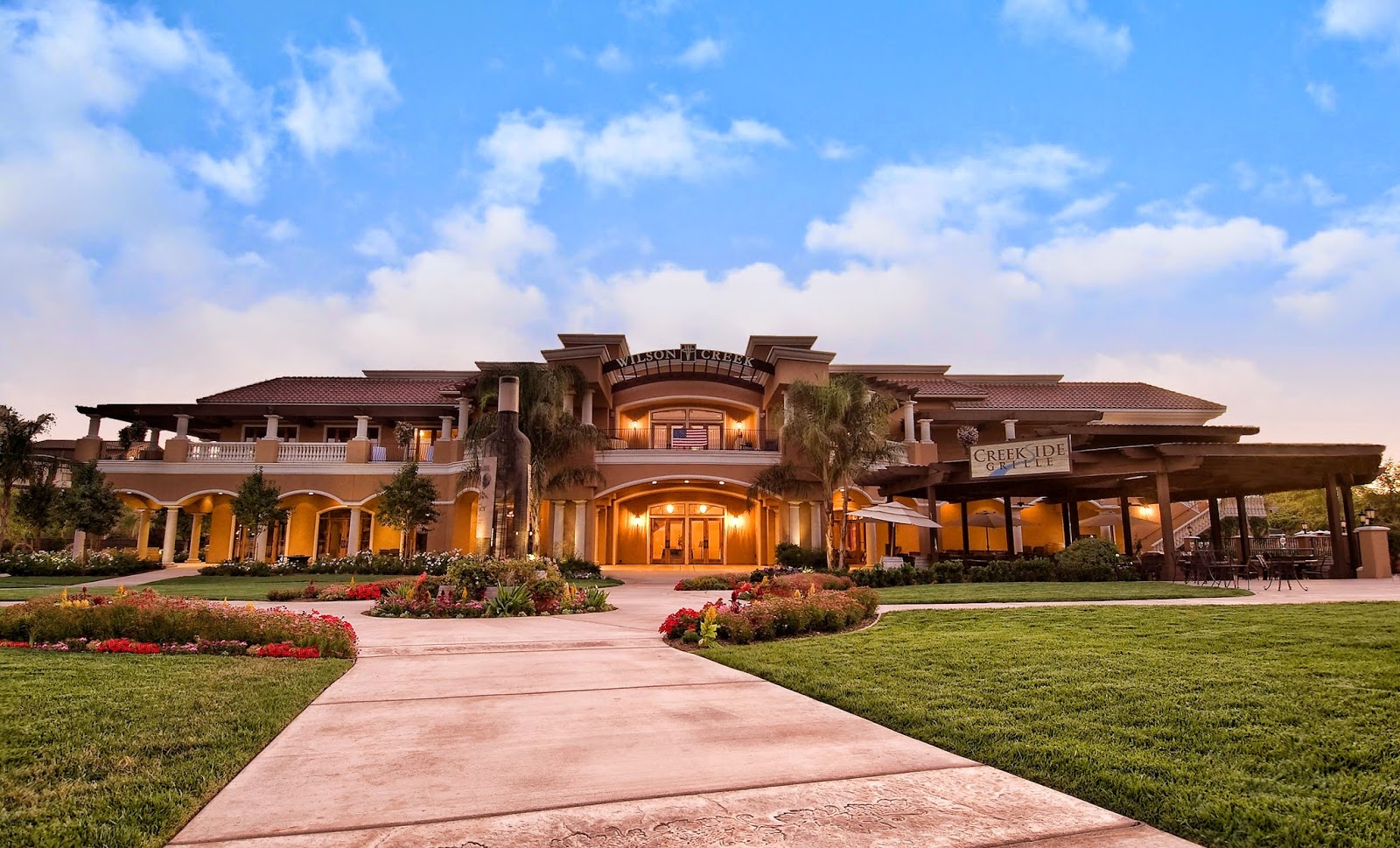
Temecula Valley is Southern California’s wine country, an hour north of San Diego and about ninety minutes from Los Angeles in Riverside County. It’s a warm-climate region of roughly fifty wineries in the rolling hills of De Luz and the Temecula Valley AVA. The scene leans social: live music, resort tasting rooms, and Mediterranean and Rhone-style wines built for groups and celebrations.
Most people come to Temecula for the setting as much as the wine. Weekends fill with bachelorette parties, birthday groups, and couples on a quick getaway, and the wineries are designed around that energy. Picture patios with valley views, wood-fired kitchens, and tasting flights you can linger over on a Saturday afternoon.
This guide covers what Temecula does well, the wines you’ll actually pour, what tasting costs, when reservations matter, and the best time of year to visit. It’s honest about how Temecula differs from Napa and Sonoma. Oxto helps you match the right winery to your occasion and the atmosphere you want.
What is Temecula Valley wine country known for?
Temecula is known as Southern California’s most accessible wine country: a warm-climate valley of about fifty wineries with a social, resort-style feel. It’s celebration territory, popular for group outings and weekend getaways, with live music, on-site restaurants, and tasting rooms built for a crowd rather than a hushed cellar.
The heart of the region sits along Rancho California Road and De Portola Road, two stretches lined with tasting rooms, vineyard hotels, and event lawns. Warm days and a marine breeze through the Rainbow Gap shape a growing season suited to Mediterranean grapes.
It’s also a full weekend destination, not only a tasting trip. Several estates run hotels, spas, and concert series, so a visit often pairs a night’s stay with a morning balloon ride over the vineyards.
Why is Temecula so popular for bachelorette parties and groups?
Temecula is built for groups because the wineries expect them. Large patios, shuttle-friendly parking, on-site food, and live music let a party of eight or ten move from one tasting room to the next without much planning. It’s the default wine-country trip for Southern California celebrations.
The region’s proximity helps. A group can leave San Diego or Orange County in the morning, tour three wineries, and be home by evening, which makes it a natural pick for birthdays, bachelorette weekends, and reunions.
A few things smooth out a group visit:
- Book tastings ahead, since many wineries cap or restrict walk-in groups larger than six or eight on weekends
- Hire a shuttle, limo, or driver so no one has to track pours and pace
- Ask about food, because several wineries have full restaurants or wood-fired kitchens that keep a long afternoon comfortable
- Match the winery to the group: some rooms are lively with a DJ, others are calm and seated
That last point matters most. A DJ-and-dance-floor tasting room and a quiet estate patio both exist in Temecula, and picking the wrong one is the most common way a group trip misses. Oxto’s atmosphere tags help you sort the loud from the laid-back before you book.
What kind of wine does Temecula make?
Temecula’s warm climate favors Mediterranean and Rhone-style grapes: Syrah, Grenache, Mourvedre, Viognier, and Roussanne, plus Italian varieties like Sangiovese, Montepulciano, and Vermentino. You’ll also find plenty of Cabernet Sauvignon, popular sweet wines, and sparkling wine made in the traditional method. It’s a broad, crowd-pleasing lineup rather than a single signature grape.
The region has leaned into heat-tolerant Mediterranean varieties over the past two decades, and that’s where much of the serious winemaking now sits. Rhone blends and Italian reds tend to show Temecula at its best.
Sweet and sparkling wines are a genuine part of the identity here, not an afterthought. Almond sparkling wine and off-dry pours are house specialties at some of the most-visited wineries, which suits the celebratory setting.
If you’re coming from Napa or Sonoma expecting Cabernet and Pinot Noir to anchor everything, reset your expectations. Temecula rewards drinkers who are curious about Syrah, Grenache, and Italian grapes.
| What to taste in Temecula | Grapes and styles |
|---|---|
| Rhone reds | Syrah, Grenache, Mourvedre, and GSM-style blends |
| Italian varieties | Sangiovese, Montepulciano, and Vermentino |
| Rhone whites | Viognier and Roussanne |
| Other reds | Cabernet Sauvignon |
| Sweet and sparkling | Almond sparkling, off-dry pours, and traditional-method sparkling |
How much does wine tasting in Temecula cost?
Temecula tasting fees typically run about $20 to $30 per person for a flight of four to six wines, with premium or reserve tastings reaching $40 to $60. Some wineries waive the fee with a bottle or two-bottle purchase, though that practice has narrowed. Fees run higher on weekends and at the larger estate wineries.
Compared to Napa, where flights often start at $50 and climb past $100, Temecula stays relatively affordable. That’s part of the region’s appeal for groups watching a budget across multiple stops.
Budget for the extras too. Reserved seating, cabana or table rentals, food pairings, and bottle service at the busier wineries add up quickly for a large group, so confirm what’s included when you book.
Do you need reservations for Temecula wineries?
Reservations aren’t always required, but they’re strongly recommended on weekends and essential for groups of six or more. Many Temecula wineries now take reservations for seated tastings, and walk-in space fills fast on Saturdays and Sundays. Weekday visits are far more flexible and often welcome walk-ins.
Peak season runs spring through fall, and holiday weekends see the region at its busiest. If your trip lands on a Saturday between April and October, book ahead for every stop you care about.
Group policies vary and change often. Some wineries route parties above a certain size into a private or reserved tasting with its own price, while others simply cap the number. Where a Temecula winery offers direct booking through Oxto Reserve, you can lock the time and party size in one place instead of calling each tasting room.
What is the best time of year to visit Temecula?
Spring and fall are the best times to visit Temecula. March through May brings mild temperatures, green hills, and wildflowers, plus the Temecula Valley Balloon and Wine Festival in late spring. September and October deliver harvest, warm days, and cooler evenings. Summer is hot, with inland highs often in the 90s or low 100s.
Time your visit within the day, not only the season. Mornings and late afternoons are the most comfortable in warm months, and the early hot-air balloon launches at sunrise are a Temecula signature worth setting an alarm for.
Each stretch of the year has its own character:
- Spring (March to May): wildflowers, green vineyards, mild days, and festival season
- Summer (June to August): hottest and busiest; favor morning tastings and shaded patios
- Fall (September to November): harvest energy, warm days, cool nights, and strong light for photos
- Winter (December to February): quietest and coolest, with more open reservations and a calmer pace
Winter is underrated. Crowds thin, tasting rooms slow down, and you can often walk in and get a seat, which is close to impossible on a spring Saturday.
How do you get to and around Temecula wine country?
Temecula sits off Interstate 15, about an hour from San Diego and ninety minutes to two hours from Los Angeles or Orange County depending on traffic. Most wine country clusters east of the freeway along Rancho California Road and De Portola Road. Wineries are spread across open country, so you’ll want a car or a driver.
Do not plan to drive yourself between tastings. The smart move for any group is a shuttle, limo, wine tour, or designated driver, and Temecula has a deep bench of local operators who run winery loops.
On Oxto, independent hosts, including drivers and guides, keep their own profiles and take bookings, so you can arrange transportation and tastings in the same place. That keeps a multi-winery day organized without stitching together separate phone calls.
How do I find the right Temecula winery for my trip?
Start with the occasion and the atmosphere you want, then match the winery to it. Oxto builds you a taste profile from wine types, atmospheres, occasions, and experience level, then surfaces ranked Temecula wineries and hosts that fit, not just the highest star ratings. Every listing carries atmosphere tags, tasting-fee ranges, and reservation details up front.
That matters more in Temecula than almost anywhere, because the wineries vary so widely by mood. A bachelorette group and a couple on a quiet anniversary want different rooms, and the tags make the difference obvious before you commit.
Use Oxto Explore to browse Temecula by what you actually want, save the places that fit, and book directly where a winery or host offers it through Oxto Reserve. You can track the wineries you’ve visited and get recommendations for similar spots for the next trip.
Frequently asked questions
Is Temecula better than Napa for a first wine trip?
For a casual, budget-friendly first trip from Southern California, Temecula wins on convenience: lower tasting fees, a social atmosphere, and a short drive from San Diego or Los Angeles. Napa offers deeper prestige wines and a more polished experience. Choose Temecula for a fun group weekend, Napa for a serious wine-focused getaway.
How many wineries can you visit in a day in Temecula?
Three to four wineries is a comfortable day in Temecula. Tastings run about an hour each once you factor in seating, flights, and food, and the wineries sit close together along Rancho California and De Portola Roads. With a driver, four is realistic; without one, plan for three and pace yourself.
Are Temecula wineries family and dog friendly?
Some Temecula wineries welcome dogs on outdoor patios and allow children in tasting areas, but policies differ by winery and often change on busy weekends. Event-focused wineries with live music and bars tend to be adults-focused, while smaller estates are more relaxed. Check each winery’s current policy before you bring kids or pets.
What’s the difference between Temecula and the De Luz area?
De Luz is the hilly area west and northwest of Temecula proper, cooler and more rural, with smaller estate wineries and vineyard homes. The main Temecula Valley wine trail runs east of Interstate 15 along Rancho California and De Portola Roads, where most tasting rooms, restaurants, and resort wineries are clustered.
Can you visit Temecula wineries without a reservation?
On weekdays, yes: many Temecula wineries welcome walk-ins, and you’ll usually find a seat. On weekends, especially spring through fall, reservations are strongly recommended and often required for groups of six or more. Popular tasting rooms fill by early afternoon on Saturdays, so booking ahead saves you from turning around at the door.
Does Temecula have hotels and things to do besides wine?
Yes. Temecula pairs wine country with resort hotels, spas, golf, and a walkable Old Town district full of restaurants, bars, and antique shops. Hot-air balloon rides over the vineyards at sunrise are a signature activity, and several wineries host concerts and events, so a full weekend fills quickly beyond tastings.
How do I find the right Temecula winery for my group?
Oxto matches you to Temecula wineries by atmosphere and occasion, which matters in a region built for groups and celebrations. Set a taste profile, filter for the setting you want, and see fee ranges and reservation requirements up front. Where a winery offers it, you can book directly through Oxto.
Plan your next wine country day
Discover 790+ wineries across 45+ wine regions, then book tastings, events, and experiences directly.