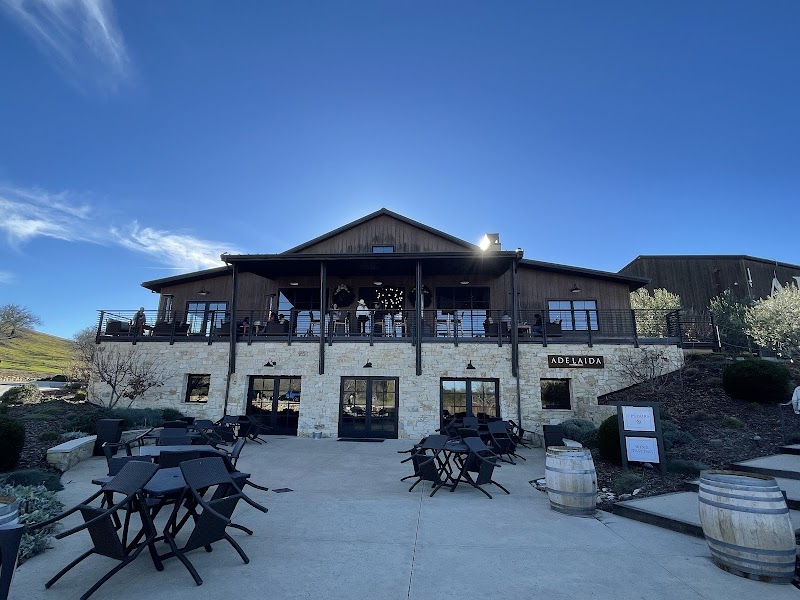
Paso Robles is California’s Central Coast wine country, set in San Luis Obispo County halfway between Los Angeles and San Francisco. It’s a large, spread-out region of roughly 200 wineries known for bold reds and Rhone varieties like Syrah and Grenache. Tasting fees run lower than Napa, and the setting stays unhurried.
The region splits into two personalities. The west side climbs into limestone hills on winding roads, home to small producers and long views. The east side is flatter, easier to drive, and packed with larger estates and closer-together tasting rooms.
Reds lead here, especially Cabernet Sauvignon, Zinfandel, and the Rhone blends that put Paso on the map. The town of Paso Robles has grown a real food scene, so a tasting weekend now pairs with good restaurants and a walkable downtown square.
This guide covers what to taste, where to go, what it costs, when to visit, and how to plan a route across a region big enough to need one. Oxto helps with the last part: set your taste profile and it surfaces wineries and experiences matched to what you actually want.
What is Paso Robles wine country known for?
Paso Robles is known for bold red wines and Rhone varieties grown across warm days and cool nights. Cabernet Sauvignon and Zinfandel are longtime anchors, but Syrah, Grenache, Mourvedre, and Rhone-style blends built the region’s modern reputation. It’s one of California’s largest wine regions by area outside the big coastal names.
The identity here is unhurried and independent. Many tasting rooms are run by the family that owns the vineyard, and you’ll often pour with someone who worked the harvest. Crowds are thinner than Napa or Sonoma, so a Saturday rarely feels like a wait in line.
The region also spans a wide range of elevations and soils, from limestone-rich hillsides to warmer valley floors. That variety is why one afternoon can move from a structured Cabernet to a peppery Syrah to a crisp Rhone white like Viognier or Grenache Blanc.
West side vs east side Paso Robles: what’s the difference?
The west side sits west of Highway 101, in limestone hills with cooler nights, steeper terrain, and winding roads. It favors small-lot producers and Rhone reds. The east side is flatter, warmer, and easier to navigate, with larger estates and tasting rooms grouped closer together, better for a first visit or a relaxed pace.
Choose the west side for scenery and character. Roads like Peachy Canyon and Vineyard Drive climb through oak-dotted hills, and the drive between stops is part of the experience. Plan fewer wineries and more time between them, since distances add up on two-lane roads.
Choose the east side when you want efficiency. Estates along Highway 46 East sit minutes apart, so you can fit three or four tastings into a day without long drives. It’s the friendlier side for a designated driver and a fuller itinerary.
- West side: limestone hills, small producers, Rhone reds, longer drives, big views
- East side: flatter terrain, larger estates, closer together, easier first-timer routing
- Downtown Paso Robles: walkable tasting rooms around the square, no driving between stops
| Paso Robles | West side | East side |
|---|---|---|
| Terrain | Limestone hills, steeper, winding roads | Flatter and easier to navigate |
| Producers | Small-lot producers | Larger estates, grouped closer together |
| Signature | Rhone reds | A broad lineup; estates along Highway 46 East |
| Driving | Longer drives between stops | Minutes apart, three or four tastings a day |
| Best for | Scenery and character | Efficiency, a first visit, a designated driver |
What wines should you taste in Paso Robles?
Taste the Rhone varieties first: Syrah, Grenache, Mourvedre, and GSM-style blends are Paso Robles at its most distinctive. Then work through the region’s bold Cabernet Sauvignon and old-vine Zinfandel. For whites, look for Viognier, Roussanne, and Grenache Blanc, which handle the warm climate well.
The Paso red blend is worth understanding. Producers here blend Rhone reds into rich, ripe, food-friendly wines that trade restraint for generosity. If a tasting room offers a flagship red blend, it’s usually the clearest expression of what the winery is trying to say.
Don’t skip Zinfandel. Paso has old-vine Zinfandel plantings that predate the region’s Rhone boom, and they show a brambly, spicy character distinct from the reds you’ll find in Sonoma or Lodi. A good flight often moves from a Zin to a Syrah to a Cabernet, which is a fair tour of the region in one sitting.
How much does wine tasting in Paso Robles cost?
Tasting fees in Paso Robles generally run about $20 to $40 per person, lower than Napa’s typical $50 to $100. Many wineries waive or credit the fee with a bottle or two of purchase. Reserve and library tastings, or seated flights with a host, cost more and usually require booking ahead.
Budget for the flight, not just the pour. A standard tasting covers four to six wines. Elevated experiences, food pairings, estate tours, and vertical tastings sit at the higher end and can run past $50, but they buy you a seat, more time, and often better bottles.
Fees change, and each winery sets its own. On Oxto, every listing shows a tasting-fee range alongside atmosphere tags and whether reservations are required, so you can build a day that fits your budget before you leave home.
Do you need reservations, or can you walk in?
Many Paso Robles tasting rooms still welcome walk-ins, which sets the region apart from Napa’s reservation-heavy norm. Seated tastings, weekends, harvest, and small west-side producers increasingly want a booking. The safe move is to reserve your anchor stops and leave room for walk-ins between them.
Downtown tasting rooms around the square are the easiest for walk-ins, since you can stroll from one to the next. Rural estates, especially small west-side wineries with limited staff, may pour only by appointment or keep short hours midweek.
Where a winery or independent host offers direct booking, Oxto Reserve lets you lock a time without a phone call, and the calendar shows what’s actually available. Booking your first tasting of the day also gives your itinerary a fixed anchor to build around.
When is the best time to visit Paso Robles?
Fall harvest, roughly September through October, is the best time to visit Paso Robles: warm days, cooler nights, and cellars in full activity. Spring brings green hills and mild weather. Peak summer gets hot inland, often into the 90s and beyond, so plan those visits for morning or seek out air-conditioned tasting rooms.
Summer heat is the one thing to plan around. The valley warms fast, and an afternoon of reds in full sun wears on you. If you go in July or August, taste early, hydrate, and lean toward wineries with shaded patios or indoor rooms.
Weekdays beat weekends in every season. You’ll get more time with pourers, easier reservations, and quieter rooms. Harvest weekends fill up, so if you want the energy of crush without the crowds, aim for a Tuesday through Thursday visit in early October.
How do you plan a trip across a spread-out region?
Plan Paso Robles by geography, not by wishlist. Pick one zone per day (west side, east side, or downtown) and group three or four wineries within it. West-side days need extra drive time on winding roads; east-side and downtown days pack more stops into less mileage. Always arrange a designated or hired driver.
Three or four tastings is a full, enjoyable day. Beyond that, the pours blur together and the driving stacks up. Book a lunch break in the middle, since food resets your palate and paces the alcohol across the afternoon.
- Anchor the day around one booked reservation, then fill in nearby walk-ins
- Keep west-side days to fewer wineries with longer drives between them
- Cluster east-side and downtown stops that sit minutes apart
- Build in a real lunch, not just crackers at the bar
- Line up a designated or hired driver before you pour anything
Independent hosts fill the gaps a winery can’t. Paso Robles has drivers, guides, and private chefs who take bookings directly, which turns a scattered map into a planned day. On Oxto, those hosts have their own profiles alongside the wineries.
How do you find the right Paso Robles wineries for you?
Start with what you actually like, not a star rating. Set a taste profile on Oxto (wine types, atmosphere, occasion, experience level) and Oxto Explore surfaces Paso Robles wineries and independent hosts ranked to your preferences. Every listing carries atmosphere tags, tasting-fee ranges, reservation requirements, and an editorial summary from the Oxto team.
That matters more in a big region than a compact one. A Rhone obsessive and a Cabernet drinker want different west-side days, and someone after a quiet seated flight wants the opposite of a lively downtown crawl. Filtering by atmosphere and fee up front saves a wasted afternoon.
Save the places that catch your eye, track the ones you visit, and get recommendations for similar spots as you go. Where booking is available, reserve your tastings through Oxto Reserve, and check the Oxto experiences calendar for harvest events and seated pairings while you plan.
Frequently asked questions
How many wineries can you visit in a day in Paso Robles?
Three or four wineries is a comfortable day in Paso Robles. On the spread-out west side, plan for fewer, since winding roads add drive time between stops. East-side and downtown clusters sit closer together, so you can fit four without long drives. Add a lunch break to pace the day.
Is Paso Robles cheaper than Napa for wine tasting?
Yes. Paso Robles tasting fees generally run about $20 to $40 per person, compared with roughly $50 to $100 in Napa. Many Paso wineries also waive or credit the fee with a bottle purchase. Lodging and dining tend to cost less too, which makes a Paso weekend friendlier on the budget.
How far is Paso Robles from Los Angeles and San Francisco?
Paso Robles sits roughly halfway between the two, about a three to four hour drive from either Los Angeles or San Francisco along Highway 101. That central location makes it a natural weekend trip from either city, and a common stop on a longer Central Coast road trip through San Luis Obispo County.
What food is Paso Robles wine country known for?
Paso Robles has a growing farm-driven food scene centered on its walkable downtown square, with restaurants, olive oil producers, and local ranch and produce. Many wineries offer food pairings or on-site kitchens. Booking a seated tasting with a pairing, or planning lunch mid-route, is the easiest way to eat well between pours.
Can you do Paso Robles wine tasting without a car?
Partly. Downtown Paso Robles has a cluster of walkable tasting rooms around the square that need no driving between stops. To reach the west-side hills or east-side estates, you’ll want a car, a rideshare, or a hired driver. On Oxto, independent drivers and guides take bookings directly to cover those routes.
What’s the difference between Paso Robles and other Central Coast wine regions?
Paso Robles is the warm, red-focused heart of the Central Coast, strong in Rhone varieties, Cabernet, and Zinfandel. Cooler neighbors like Edna Valley and the Santa Maria and Sta. Rita Hills areas farther south lean toward Pinot Noir and Chardonnay. Paso is also larger and more spread out, so it rewards planning by zone.
What’s the best way to find Paso Robles wineries worth visiting?
Oxto ranks Paso Robles wineries by fit, which helps in a large, spread-out region. Set your taste profile and Oxto surfaces matches across the west and east sides, with atmosphere tags, fee ranges, and reservation details on each listing, plus direct booking where a winery offers it.
Plan your next wine country day
Discover 790+ wineries across 45+ wine regions, then book tastings, events, and experiences directly.