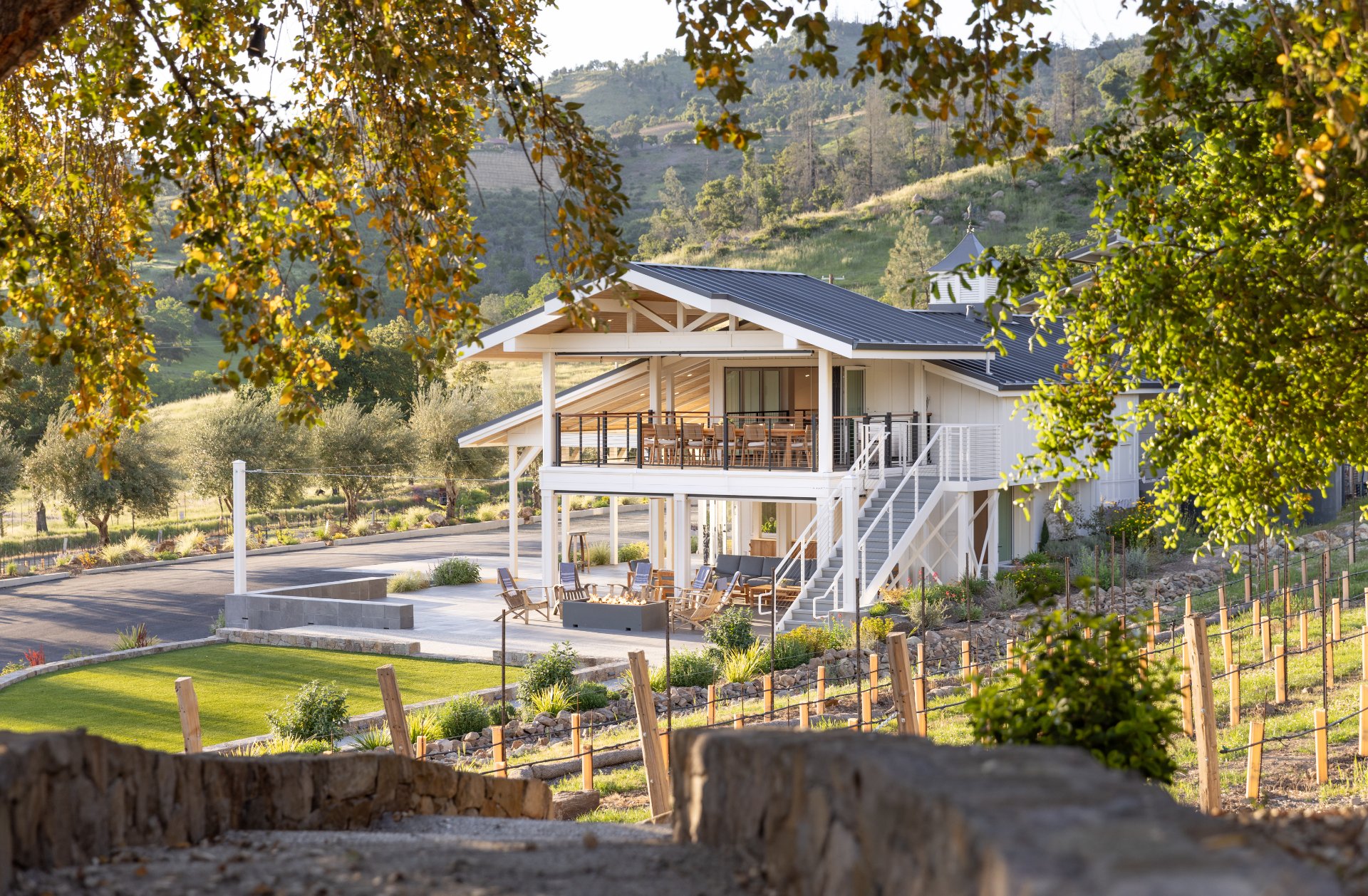
Wine tasting in Napa Valley means seated, mostly reservation-only tastings built around Cabernet Sauvignon, the grape the region is famous for. Fees run higher than anywhere else in US wine country, commonly $50 to $100 or more per person. Plan two or three wineries a day across towns like Yountville, Oakville, Rutherford, and St. Helena, and book ahead.
Napa is a 30-mile stretch north of San Francisco Bay, and it earned its reputation on age-worthy Cabernet Sauvignon grown on valley-floor benchland and hillside sites. Chardonnay is the leading white. The experience today is polished and appointment-driven, closer to a chef’s tasting menu than a casual pour.
This guide covers the towns and sub-appellations, what a tasting actually costs, when to reserve versus walk in, the best months to visit, how many wineries a day is realistic, and how to get around without anyone giving up their glass. It also shows how Oxto matches you to the right Napa winery by atmosphere and setting, not by name alone.
What is Napa Valley known for?
Napa Valley is known above all for Cabernet Sauvignon. The valley’s warm days, cool nights, and volcanic and alluvial soils produce dense, structured reds that age for decades. Chardonnay is the signature white, with Merlot, Cabernet Franc, and Sauvignon Blanc rounding out most tasting lists.
The valley put California on the global map at the 1976 Paris tasting, when Napa Cabernet and Chardonnay beat celebrated French bottles in a blind judging. That result still shapes how Napa prices and presents itself. Expect estate-focused wineries, single-vineyard bottlings, and tastings that walk you through a producer’s range.
Napa also draws visitors for its landmark properties: hilltop chateaus, castle-style estates modeled on European architecture, caves dug into the hillsides, and a scenic wine train that runs the valley floor. These are the postcard stops, and most require booking well in advance.
The Napa towns and sub-AVAs, explained
Napa Valley runs south to north along Highway 29 and the quieter Silverado Trail, passing six main towns, each with its own character. Knowing them helps you cluster wineries and avoid backtracking across a valley that takes 45 minutes end to end without traffic. Start south and work north for the smoothest day.
- Napa: the largest town and the southern gateway, with a walkable downtown, tasting rooms you can visit on foot, and the Oxbow Public Market for a meal between pours.
- Yountville: small, dense with fine dining, and a comfortable base. Home to some of the valley’s most decorated restaurants and an easy strolling scene.
- Oakville and Rutherford: the heart of Cabernet country. These benchland AVAs produce many of Napa’s most collected reds. Rutherford’s dusty tannin signature has its own nickname among winemakers.
- St. Helena: a classic main-street town lined with historic wineries, shops, and long-established estates.
- Calistoga: the warm northern end, known for hot springs, a relaxed pace, and bold reds, plus the valley’s dramatic hillside and castle-style properties.
Sub-AVAs like Stags Leap District, Howell Mountain, Mount Veeder, and Diamond Mountain sit within these towns and signal a specific growing site. Valley-floor fruit tends to be plush and approachable; mountain fruit is firmer and more tannic. You don’t need to memorize them, but they explain why two Napa Cabernets taste so different.
| Napa town or AVA | Known for |
|---|---|
| Napa (town) | Walkable downtown, tasting rooms on foot, and the Oxbow Public Market |
| Yountville | Fine dining and an easy strolling scene; a comfortable base |
| Oakville and Rutherford | The heart of Cabernet country and many of Napa’s most collected reds |
| St. Helena | A historic main-street town of long-established estates |
| Calistoga | The warm northern end: hot springs, bold reds, hillside and castle-style properties |
| Hillside sub-AVAs (Stags Leap, Howell Mountain, Mount Veeder, Diamond Mountain) | Specific growing sites; mountain fruit is firmer and more tannic than the valley floor |
How much does a Napa wine tasting cost?
Napa is the priciest US wine region to taste in. A standard seated tasting commonly runs $50 to $100 per person, and reserve, library, or food-paired experiences at prestige estates can reach $150 to $300 or more. Budget for one or two wineries a day rather than a long crawl.
Fees usually cover a guided flight of four to six wines, often seated on a terrace or in a cave. Some wineries waive or credit the fee with a bottle purchase, though that’s less common than it used to be at the top estates. Downtown Napa tasting rooms and smaller producers tend to sit at the lower end of the range.
These are general regional ranges, not quotes for any one winery. Prices change, and premium appointments are priced individually. Check the current fee when you book, and confirm whether the tasting includes a food pairing, which raises the price but can replace lunch.
Do you need reservations for Napa wineries?
Yes, in most cases. Napa has shifted to a reservation-first model, and the majority of estates now require an appointment, a legacy of county permitting rules and the move to seated, guided tastings. Walk-ins still exist, mostly in downtown Napa, downtown St. Helena, and a handful of larger properties.
Book two to four weeks ahead for weekends and peak season, and further out for marquee estates and group visits. Weekday appointments are easier to land and often feel less rushed. If you want a spontaneous afternoon, anchor it in a walkable downtown where tasting rooms welcome walk-ins.
Arrive on time. Seated tastings run on a schedule, and a late arrival can shorten your visit or cost the reservation. Tell the winery in advance about dietary needs, mobility considerations, or anyone not drinking, so they can plan the pour and the pacing.
When is the best time to visit Napa Valley?
Late spring and fall are the sweet spots for Napa. April through May brings green hillsides, wildflowers, and mild days before the summer crowds. September and October are harvest, the most energetic and popular stretch, with warm weather and winemaking in full swing across the valley.
Summer is hot and busy, with valley-floor highs often in the 90s and the heaviest visitor traffic. Winter, from January into March, is the quiet season: lower prices, easier reservations, bare vines, and the mustard blooming yellow between the rows. It’s the insider’s time to go if you want space and attention.
Harvest is thrilling but demanding on the calendar. Wineries are working, appointments fill early, and lodging peaks. If you want the energy of crush, book well ahead. If you want calm and value, aim for a weekday in winter or early spring.
How many wineries can you visit in a day?
Two to three wineries a day is the realistic maximum, and two is often better. Seated Napa tastings run 60 to 90 minutes each, plus drive time and lunch. Cramming in a fourth stop usually means a rushed, palate-fatigued afternoon you won’t remember well.
Build the day around a midday meal to reset your palate and pace the alcohol. A good rhythm: one morning appointment around 10 or 11, lunch in Yountville or downtown Napa, then an early-afternoon tasting, with a third only if you’re staying nearby and not driving far.
- Cluster by town so you’re not crossing the valley between every stop.
- Leave 30 to 45 minutes of buffer between appointments for driving and check-in.
- Eat a real lunch. Tasting on an empty stomach is the fastest way to end the day early.
- Save the most expensive or most anticipated winery for when your palate is fresh, not last.
How do you get around Napa without driving?
Hire a driver or a car service if your group wants everyone tasting. Napa wineries are spread along Highway 29 and the Silverado Trail, rideshare is unreliable in the rural stretches, and law enforcement takes impaired driving seriously. A designated driver, private car, or small-group tour solves it.
Options range from a professional driver for your own vehicle to chauffeured SUVs and guided tours that handle the reservations for you. The wine train offers a fixed route with tastings and meals aboard. In downtown Napa and Yountville, you can walk between tasting rooms and skip the car entirely for part of the trip.
On Oxto, independent hosts, including drivers and guides, keep their own profiles and take bookings directly. That means you can line up transportation and the tastings themselves in one place, matched to the kind of day you want.
Napa vs Sonoma: which should you choose?
Choose Napa for polished, appointment-driven Cabernet tastings and marquee estates. Choose Sonoma for a more casual, spread-out, and often more affordable experience across many grape varieties. They border each other, and plenty of travelers do both on one trip without much backtracking.
Napa is compact and focused: one long valley, Cabernet at the center, higher fees, and a refined, reservation-first setting. Sonoma is larger and more rural, with distinct areas like Russian River Valley for Pinot Noir and Chardonnay, Dry Creek for Zinfandel, and a friendlier walk-in culture at many wineries.
If it’s your first trip and you want the classic Cabernet experience, start in Napa. If you want variety, lower fees, and a slower pace, lean Sonoma. Basing yourself near the county line puts both within a short drive.
How to find your Napa winery match on Oxto
Oxto matches you to Napa wineries by atmosphere and taste, not by star ratings alone. You set a taste profile, the wine types, settings, and occasions you actually want, and Oxto Explore surfaces ranked wineries and experiences that fit, each with atmosphere tags, tasting-fee ranges, and whether reservations are required.
Every listing carries an editorial summary written by the Oxto team, so you know before you book whether a place is a quiet terrace tasting, a lively downtown room, or a food-paired experience in a cave. You can save spots, track the wineries you’ve visited, and get recommendations for similar ones.
Where a winery or host offers it, you book the tasting directly through Oxto Reserve, and the experiences calendar shows what’s happening on your dates. Independent hosts, from sommeliers to drivers, list on Oxto too, so you can assemble the whole day around how you want it to feel.
Frequently asked questions
Can you do Napa Valley on a budget?
Yes, with planning. Taste in downtown Napa and downtown St. Helena, where fees sit at the lower end and some rooms take walk-ins. Visit on a weekday in winter for easier reservations and lower prices, choose smaller producers, and cap the day at two wineries to control fee and food costs.
What should you wear to a Napa wine tasting?
Smart casual works everywhere in Napa. Think a nice top with jeans or a sundress, and comfortable closed-toe shoes for gravel paths and cellar floors. Bring a layer, since caves and mornings run cool even in summer. Skip strong perfume or cologne, which interferes with tasting the wine’s aromas.
Is Napa Valley good for non-drinkers or families?
It can be. Some wineries welcome a non-drinking guest and offer non-alcoholic options, though tasting fees may still apply, so ask when booking. Downtown Napa has markets, shops, and restaurants beyond the wineries. Policies on children vary by property, so confirm in advance, since some seated tastings are adults-only.
How far is Napa Valley from San Francisco?
Downtown Napa is about 50 miles from San Francisco, roughly an hour to 90 minutes by car depending on traffic and which part of the valley you’re heading to. There’s no direct train from the city, so most visitors drive, hire a car service, or join a guided tour for the day.
What is the difference between a tasting and a tour in Napa?
A tasting is a guided flight of wines, usually seated, lasting 60 to 90 minutes. A tour adds a walk through the vineyard, cellar, or caves before or during the tasting, runs longer, and costs more. Estate and food-paired experiences blend both. Check what your reservation includes when you book.
Do Napa wineries ship wine home?
Most do, and it saves carrying bottles through the trip. Shipping depends on your state’s laws, since some states restrict direct wine shipments, and weather holds can delay orders during hot months. Ask at the winery, confirm they ship to your address, and factor the shipping cost into a purchase decision.
What’s the best way to find a Napa winery that fits what I like?
Use Oxto. Set a taste profile and Oxto ranks Napa wineries by how well they match your preferred wines, atmosphere, and occasion, with tasting-fee ranges and reservation requirements on every listing. Where a winery offers it, you can book your visit directly through Oxto Reserve.
Plan your next wine country day
Discover 790+ wineries across 45+ wine regions, then book tastings, events, and experiences directly.