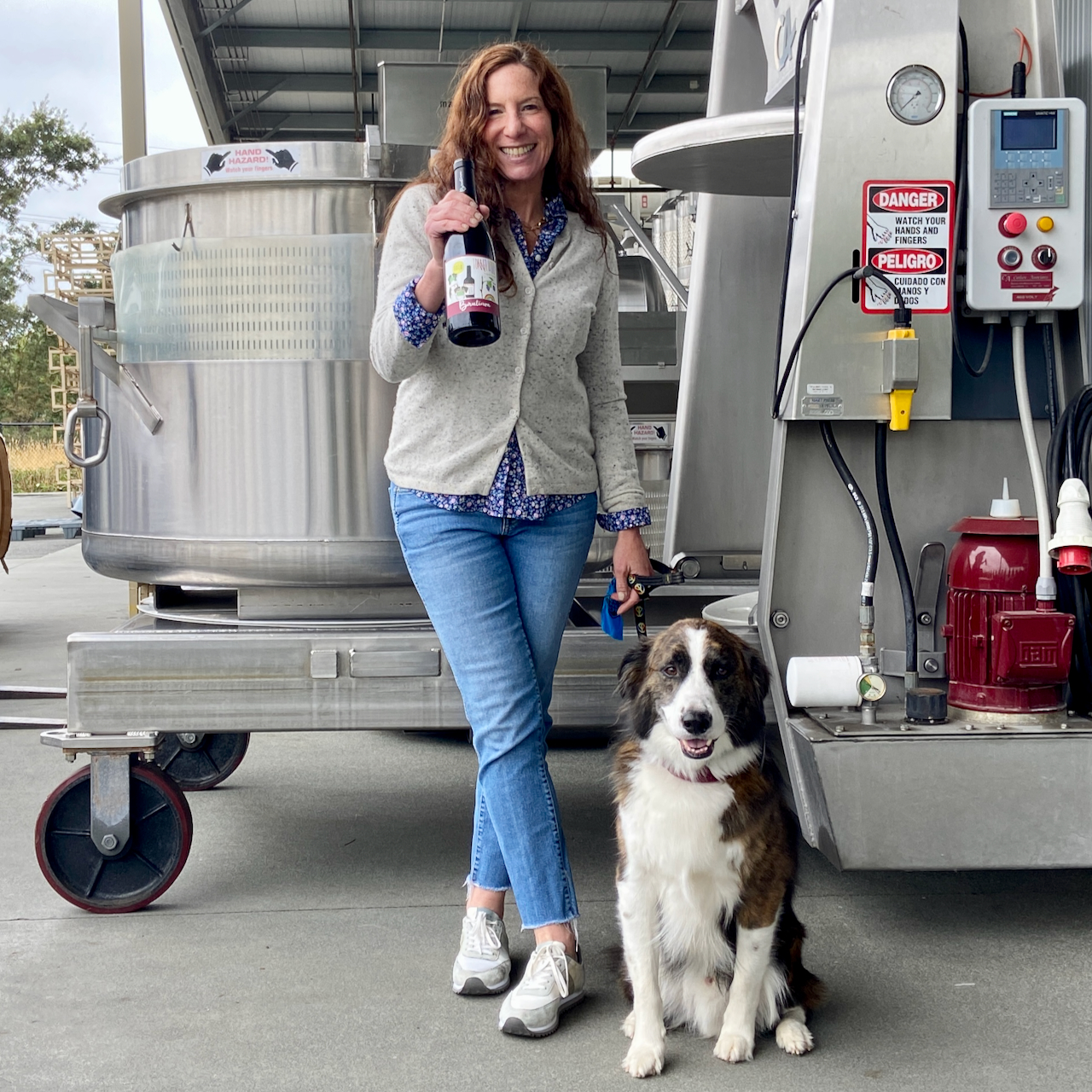
What to wear wine tasting: choose smart-casual clothes that are comfortable, layered, and forgiving, plus closed or low shoes you can stand in for hours. Tasting rooms sit on gravel and cellar floors run cold and uneven. Skip strong fragrance, since it competes with the aromas in your glass.
Wine tasting almost never has a strict dress code. The real constraints are practical: you’ll walk on gravel, stand at a bar or move between vineyard rows, step into a cool cave, and spend a few hours on your feet. Comfort and layers matter more than looking polished.
The setting drives most of the decision. An outdoor estate tasting in Napa in July asks for a different outfit than a Willamette Valley cellar visit in October or a tasting room in downtown Healdsburg. On Oxto, each listing’s atmosphere tags and editorial summary describe the setting, so you can dress for the actual room before you arrive.
What should I wear to a wine tasting?
Smart-casual is the safe default across US wine country. Think a nice top or button-down, dark jeans or chinos, a casual dress or skirt, and a light layer you can add or remove. Add closed or low-heeled shoes and leave strong fragrance at home. That works for almost any winery from Napa to the Finger Lakes.
A few tastings run more formal, usually reserve or seated experiences at high-end estates, where guests lean toward a collared shirt or a dress. Few require a jacket. When in doubt, a clean, put-together casual look never reads as underdressed.
- A layer you can shed or add as the day and the rooms change temperature
- Bottoms you can sit, walk, and climb a few cellar steps in comfortably
- Shoes rated for gravel and standing, not a slick vineyard path
- A bag small enough to hold at a crowded tasting bar
- Sunglasses and a hat if any part of the day is outdoors
How do I dress for the season in wine country?
Layer for the season and the daily swing, which runs large in most wine regions. Summer afternoons reach the 90s in Napa, Sonoma, and Texas Hill Country, while mornings and shaded caves stay cool. Fall harvest is warm by day and crisp at the edges. Spring and winter call for a real jacket and closed shoes.
Summer means breathable fabrics, a hat, and sun protection for outdoor tastings, plus a light layer for air-conditioned or cave rooms. Harvest season, roughly late August through October, is the busiest and prettiest stretch, so pack for warm afternoons and cooler evenings.
Winter and early spring in Northern California, Oregon, Washington, and the Northeast bring rain and cold. A water-resistant jacket, warmer layers, and shoes that handle wet gravel keep the day comfortable.
Caves and cellars hold around 55 to 60 degrees year-round to protect the wine, so pack a light layer even in July. A barrel tasting underground turns cold within minutes. On Oxto, a listing’s atmosphere tags and editorial summary tell you whether you’re headed for a sunny terrace or an underground cave, which is your cue to carry that extra layer.
| Season | What to wear | Watch out for |
|---|---|---|
| Summer | Breathable fabrics, a hat, sunscreen, and a light layer for cave and air-conditioned rooms | Afternoons in the 90s, while caves stay 55 to 60 degrees |
| Fall (harvest, late August to October) | Warm daytime layers plus something for cooler evenings | The busiest and prettiest stretch, so rooms are crowded |
| Spring | A real jacket, warmer layers, and closed shoes | Rain and cold across Northern California, Oregon, Washington, and the Northeast |
| Winter | A water-resistant jacket, warm layers, and shoes for wet gravel | Cold, wet ground; cellars stay cool year-round |
What shoes should I wear wine tasting?
Wear closed or low shoes you can stand in for hours. Winery driveways and courtyards are gravel, cellar and cave floors are uneven concrete or stone, and vineyard walks cross dirt. Flats, loafers, low block heels, clean sneakers, and ankle boots all work well. Save stilettos and brand-new shoes for another day.
Thin heels sink into gravel and catch on cellar-floor drains and grates. If you want height, a block heel or wedge stays stable. For any tasting that includes a vineyard or cave walk, closed-toe shoes protect your feet and keep you steady on damp stone.
You’ll be on your feet more than you expect, especially at standing-bar tastings and on estate tours, so comfort decides whether you enjoy the third winery of the day or cut the visit short.
Why should I skip perfume and cologne?
Strong perfume or cologne competes with the wine. Tasting is mostly smell, and a cloud of fragrance masks the aromas you came to notice, both for you and for everyone standing near you at the bar. Skipping scent is one of the clearest points of tasting-room etiquette.
The same goes for scented lotion, heavy hairspray, and strong aftershave. If you like to wear something, keep it minimal and apply it well before you leave, not in the car on the way in.
“A strong scent erases the aromas in the glass, for you and for the people standing next to you.”
What should I wear to an outdoor or estate tasting?
Dress for sun, wind, and uneven ground at outdoor and estate tastings. Bring sunglasses, a hat, and sunscreen, since patios and terraces offer little shade during peak afternoon hours. Hilltop estates catch more wind than valley-floor rooms, so a light layer helps even on a warm day.
Terrace and vineyard-view tastings often sit on stone, grass, or gravel, so steady shoes matter more here than in a polished downtown room. A wide-brim hat and real sun protection make a midday outdoor tasting far more pleasant in summer.
Urban tasting rooms in towns like Healdsburg, Walla Walla, or Carlton flip the equation. They’re climate-controlled and walkable, so you can lean a little more polished and worry less about gravel and sun.
What does smart-casual mean for men and women here?
Smart-casual in wine country means put-together but comfortable, not formal. For men, that’s a button-down or a clean polo, dark jeans or chinos, and loafers or clean sneakers. For women, it’s a casual dress, a nice top with jeans or tailored pants, or a skirt, with flats or a low block heel.
- Men: button-down or polo, dark jeans or chinos, a light jacket or sweater, loafers or clean leather sneakers
- Women: casual dress, or a nice top with jeans or tailored pants, plus a cardigan or wrap for cooler rooms
- Both: one layer for temperature swings, closed or low shoes for gravel, minimal or no fragrance
- Reserve or seated tastings: lean slightly dressier, a collared shirt or a dress reads right
Wine country skews relaxed, so you rarely need a blazer or heels. Aim for clothes that photograph well and still let you walk a vineyard row and sit through a seated flight in comfort.
What should I avoid wearing?
Avoid strong fragrance, thin stiletto heels, and brand-new shoes you haven’t broken in. Skip anything too tight to sit and walk in comfortably for a few hours, and think twice about white or light fabrics if red wine is on the flight. Bright red is famously hard to remove.
- Strong perfume, cologne, scented lotion, and heavy hairspray
- Stilettos and thin heels that sink into gravel and catch on cellar floors
- Brand-new or uncomfortable shoes for a day of standing and walking
- All-white outfits when you’ll be swirling and sipping reds
- Overly formal wear, which reads as trying too hard in most tasting rooms
Frequently asked questions
Is there a dress code for wine tasting?
Most wineries have no formal dress code and expect smart-casual. A nice top, dark jeans or a casual dress, a light layer, and comfortable closed shoes fit almost anywhere. A small number of reserve or seated experiences at high-end estates run slightly dressier, but a jacket is rarely required.
Can I wear jeans to a winery?
Yes. Dark, clean jeans are one of the most common and appropriate choices for wine tasting across US wine country. Pair them with a nice top or button-down and comfortable shoes and you’re set for almost any tasting room, from Napa to Oregon to the Finger Lakes.
What should I wear to a winery in summer?
Wear breathable fabrics, and bring sunglasses, a hat, and sunscreen for outdoor tastings, plus a light layer for cave and air-conditioned rooms. Summer afternoons reach the 90s in many regions, but caves and cellars stay near 55 to 60 degrees, so that layer matters even in July.
Should I wear heels to a wine tasting?
Thin heels are a poor choice because they sink into gravel driveways and catch on uneven cellar and cave floors. If you want height, a block heel or wedge stays stable. Flats, low boots, loafers, and clean sneakers are more comfortable for a day spent standing and walking.
Why can’t you wear perfume to a wine tasting?
Wine tasting relies mostly on smell, so strong perfume or cologne masks the aromas in the glass for you and for people standing near you. It’s also considered poor tasting-room etiquette. Skip scented lotion and heavy hairspray too, and apply anything minimal well before you arrive.
How should I dress differently for an outdoor versus indoor tasting?
Outdoor and estate tastings call for sun protection, a hat, a wind layer, and steady shoes for gravel and grass. Indoor and urban tasting rooms are climate-controlled, so you can dress a little more polished. On Oxto, each listing’s atmosphere tags and editorial summary describe the setting before you book.
How do I know if a tasting is indoors, outdoors, or in a cave before I go?
Each Oxto listing’s atmosphere tags and editorial summary describe the setting, so you know whether to expect a sunny terrace, an underground cellar, or a climate-controlled tasting room, and can dress for it. You can also book your visit directly through Oxto where the winery offers it.
Plan your next wine country day
Discover 790+ wineries across 45+ wine regions, then book tastings, events, and experiences directly.